

You know what? Locally, we have a poor attitude towards blends. And it’s all the fault of varietal labelling.
Over the last thirty years Australia has phased out ‘style’ labelling – using generic terms such as hock, claret or burgundy – and instead enforced the use of varietal labelling (Riesling, Merlot, Shiraz etc).
This has been a massive positive for transparency. Like the phasing out of misleading names like Hunter River Riesling. It has only been a plus for exports (clear labelling helps people understand wines). However, it has also fuelled a slavish love of singular grapes, often above region, style or anything else.
The loser, of course, is blends. Singular grape varieties have the consumer pull, and blends can be confusing. I’ve lost count of how many times I’ve been asked what grape Cabernet Merlot is, for example. And the most popular grapes at a given time get all the love, regardless of whether they fit into a blend.
For a prime example of how this plays out, look at how some Margaret River producers flipped their Sem/Sauv blends to make Sauvignon Blanc the dominant partner (because it sells better). Or leaving out the Semillon all together (to the detriment of quality). That’s just the start of the blend discrimination. The great Australian red blend – Shiraz/Cab – sits below straight Shiraz. Or producers taking Viognier off the labels of Shiraz Viognier (even though it’s still in the blend), because Viognier is too hard to pronounce and difficult to explain.
According to the LIP (Label Integrity Program), winemakers don’t actually need to nominate what grapes go into a blend. It’s only when a grape is specified that it needs to reflect what is in the bottle. So really, it’s not so much the labelling that’s an issue, but consumer perception (which then shapes what winemakers produce).
The love of single varieties also tends to make our wines less interesting. Producers know that blends don’t sell as well, and so they don’t make them, and the spice of blends is left behind.
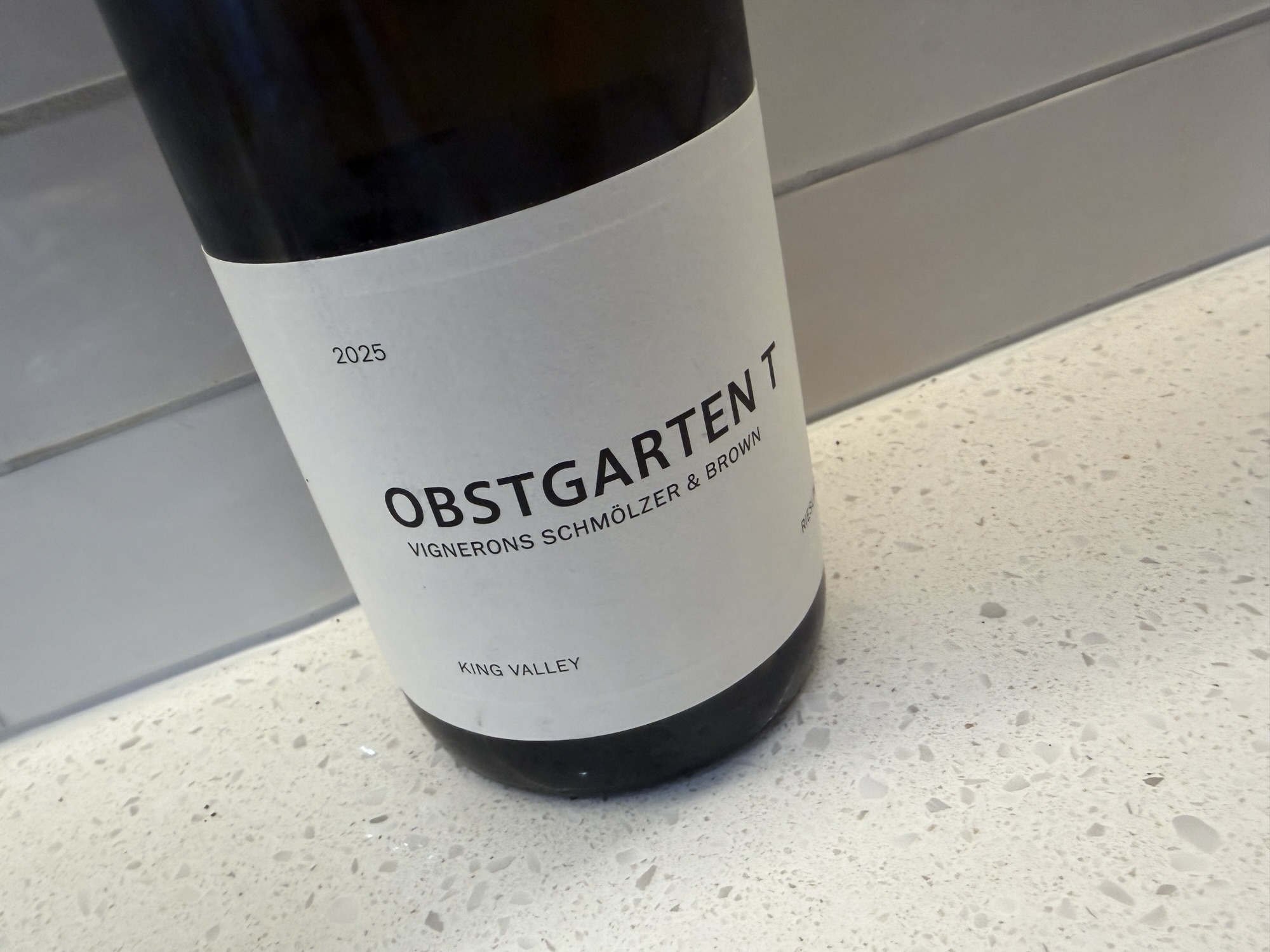
The good news, however, is that this situation might be changing. You only have to scan some progressive wine lists to see the outbreak of unconventional, delicious light red blends from outstanding newish producers like Brave New Wine, Ruggabellus, Ravensworth, Schmolzer & Brown et al. The Basket Range gang (Lucy Margaux, Bk, Gentle Folk, Ochota Barrels et al) also love blends and they’re often unusual (and delicious).
Still, across retail shelves and online stores these wines are lumped into ‘red blends’ and lost. I do it on this website. It’s easy, and there is more than 10 times more interest in the ‘Shiraz‘ tag than in ‘Red blends‘.
Or perhaps that just signals that we’re happy with the status quo. The varieties (and varietal labelling) help decipher the infinitely confusing and occasionally contradictory world of wine.
What do you think?


Leave a Reply