
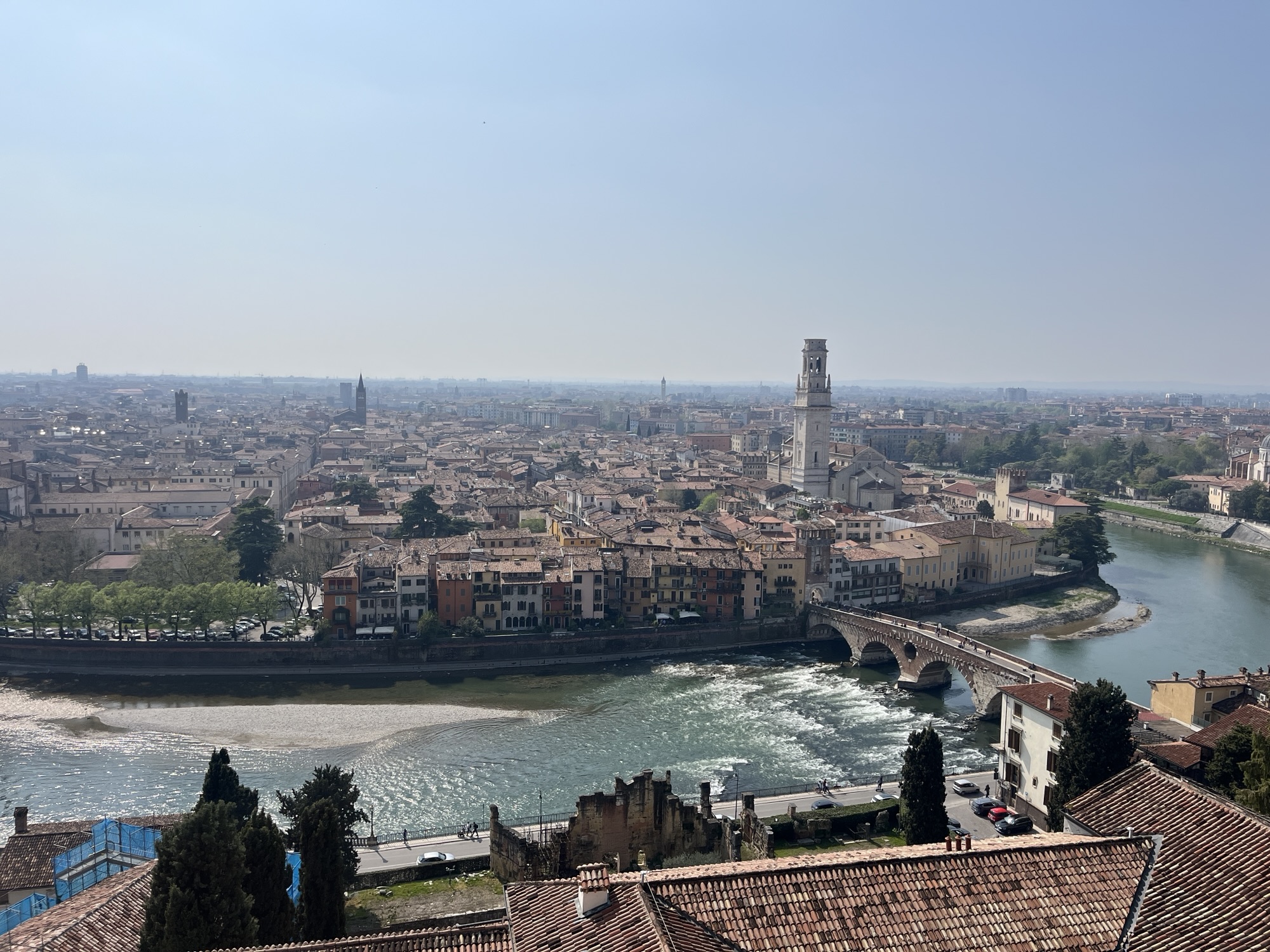
With 4,000 producers across 19 halls, I had no chance.
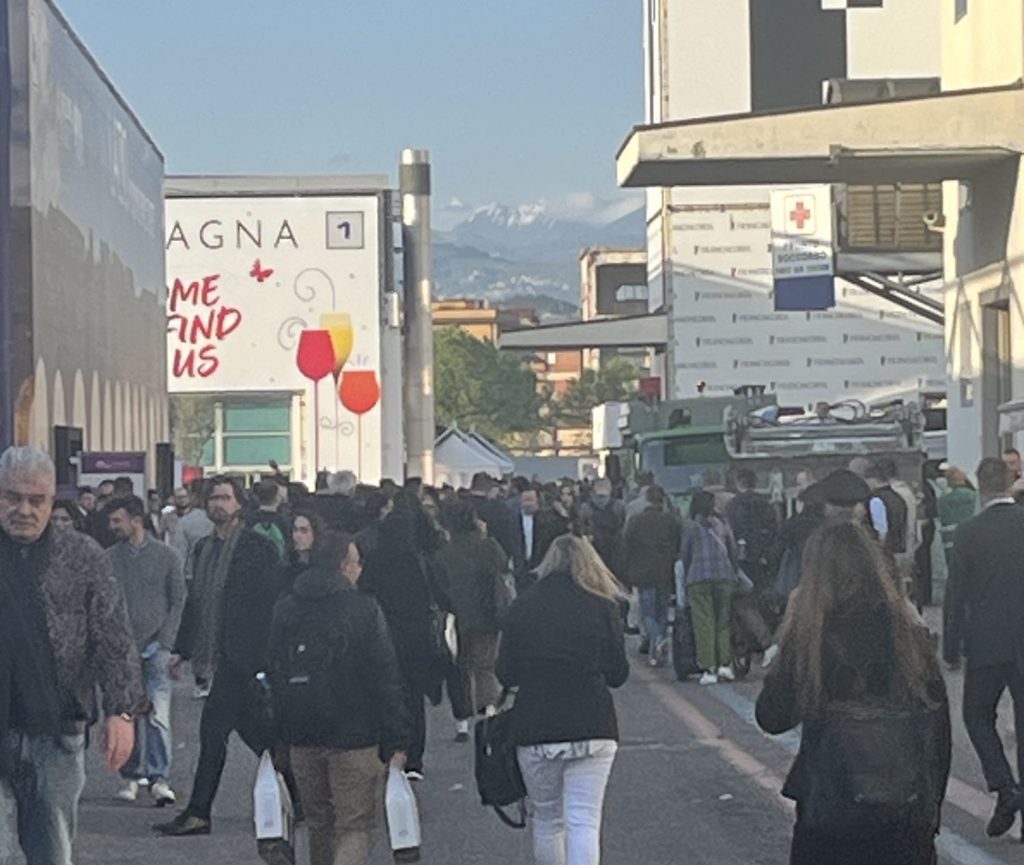
To be honest, my visit last week to Vinitaly (the Italian drinks extravaganza billed as the world’s largest wine fair) wasn’t there for the conquering – I very much had a work hat on, looking for bargains. Yet it’s impossible to underplay just how involving this wine mega-event really is – Vinitaly takes 97,000 (largely trade) visitors, and throws a seriously overwhelming amount of Italian wine (plus beer, olive oil, winemaking equipment) at you to see what sticks.
And that’s just the daytime. By night, winemakers, buyers, sales reps and trade peeps gather in Verona laneways to drink beer and Pinot, eat risotto all’Amarone or Pastissada de Cavallo, and drunkenly dance to Euro house while still wearing puffer vests from the day.
It’s spectacular…

Understandably, I constantly wished I had more time to explore this expansive wine fun (night and day), but I at least peeked into some of the interesting bits – if just to realise just how deep this sort of wine smorgasbord runs. Whether it was the kaleidoscopic lanes of unknown producers (and plenty of obscure varieties) in the Campania area, or the restaurants-and-nightclubs-posing-as-wine-stands in the ultra-corporate Veneto halls. At every turn, there was another giddy array of Italian-ness just willing you to stop by and taste for a while.
Today, then, I’ve pulled together a few Vinitaly highlights, recorded here before I forget. Yes, details are scant, making this more about vibes, but these takeaways (and some of the wines behind it) are well worth your interest here in Australia – even if we get just a teaser here on the other side of the planet.

Some vintage thoughts to start (caution, wild generalisations)
- 2024 will produce some excellent Italian white wines. Cool, wet, sometimes a bit shitty (and low yielding – especially in Sicily), 2024 isn’t what you’d call a happy winemaker’s vintage for many producers. But the classic lines and delicacy in some of the early-release whites and sparkling wines from northern Italy suggest a vintage with sapidity and vitality. The reds are a different story – yes, it’s stupidly early doors given that all of the better wines are still in barrel/tank, but hot dog, there are going to be a few leafy and thin 2024 reds. 2023 wasn’t exactly easy either, with the harvest dominated by downy mildew that sorted the well-prepared vignerons from the rest.
- While 2021 is looking better and better. We’re now at the point where many of the 2021 B wines (Brunello, Barolo) are being released, and there is classicness aplenty. It’s especially apparent when you try 2021 Barolo vs 2020, as an example, with the former delivering the odd thunderclap wine, while the latter delivers increasingly open, sometimes jammy wines. The early 2022s come from a stop-start, ultra-dry vintage too, and there is definitely more of the 2020 warmth to those wines. Again, these are all wild generalisations, but I’d be going long on 2021 (and 2019 if you can find any).

The grapes I want to see more of:
- Sagrantino. The Montefalco Consorzio had an epic horizontal lineup featuring a whole smorgasbord of Montefalco Sagrantino, Montefalco Rosso (a blend of Sangiovese, Sagrantino, and other grapes), and Montefalco Sagrantino Passito (made with dried Sagrantino grapes). I love Montefalco (visit, it’s lovely, and much less crowded than Tuscan old towns like Montalcino), and that lineup of Montefalco wines was so consistently strong and charismatic that I lingered far too long. Sagrantino can be wildly unapproachable, sure, but also bloody grandiose.
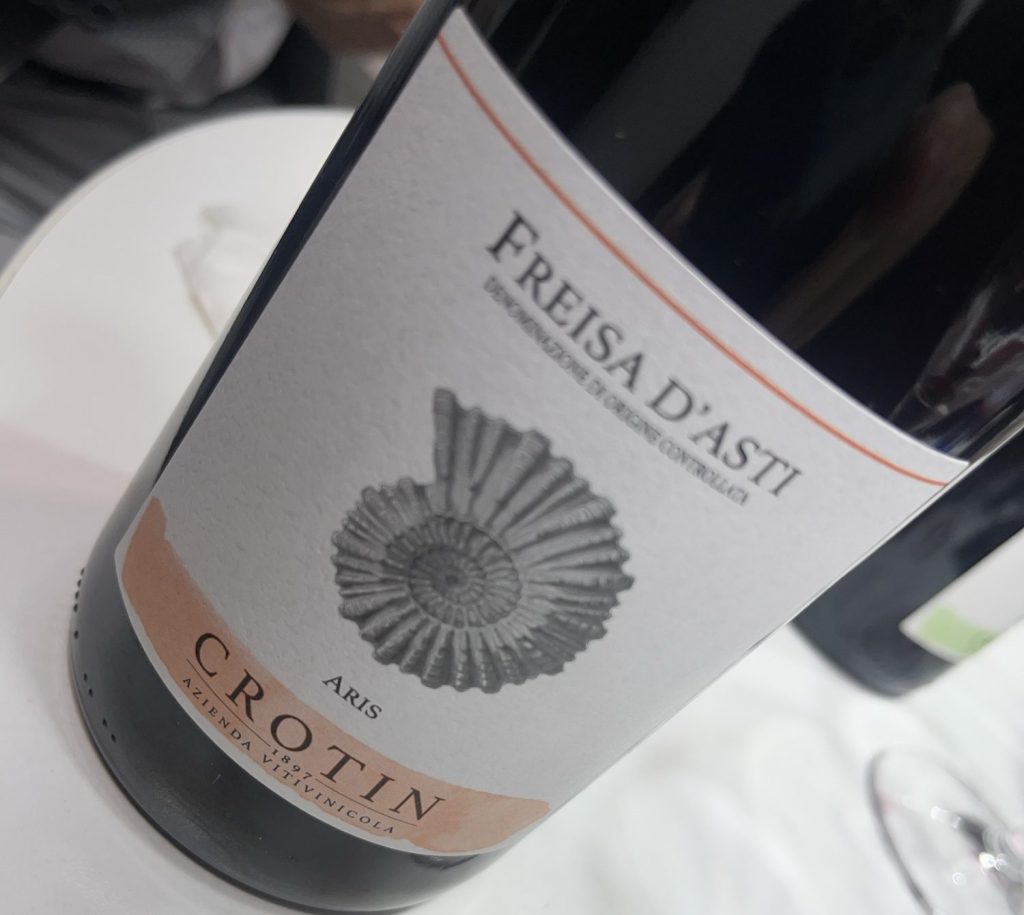
- Freisa. Piedmont Nebbiolo’s gruff cousin. I first fell for Fresia when trying out of barrel at Giuseppe Rinaldi (still wish I had of bought some) and the handful I had at Vinitaly were just so fascinating, if again, wildly unapproachable.
- Lacrima. Montepulciano is king of the Marche region, but this little-known red grape made my head turn. The wines I tried were wildly aromatic, with aviolent violet purple berry fragrance that is something else.
The grapes I want to see less of in Italian wines:
- Chardonnay. Why do it. Sure, Gaja can make a fancy Piedmont Chardonnay, and lots of producers make inexpensive Chardonnay wines (and it’s the backbone of Franciacorta, sure), but otherwise it feels like a spit in the face of the grand Italian autochthonous tradition.

The wines that I loved:
- Frank Cornellisen’s standard Susucaru and Munjebel wines. Yes, the more fancy Contrada wines get the big love at this iconic Sicilian producer, but I loved the generous lo-fi joy of the standard rosso, bianco and Rosato wines. There’s a little wildness here, sure, but also sublime expression.
- Passopisciaro Contrada ‘S’. While we’re in Etna, I stopped by for a quick ride on the Passopisciaro Contrada ride. I found myself drawn to this wine rather than the higher-altitude R, as it has that unique Nerello Mascalese beauty, a black earth punch, and just the right amount of tannins. Etna charisma plus.
- Inama Oratorio di San Lorenzo. Soave Carmenere. Yeah, why not, hey? A new wine to me and such an expansive, luscious, and charismatic wine. Yes, it’s a bit thick and modern, but it also has such a presence.
- Casalfarneto’s Verdicchio range. From the fragrant standard white to the sublime off-dry multi-vintage off/dry, sweet and vermouth range. Forget the boring reputation, this producer had some of the best Verdicchio I’ve tried.
- Everything Marcarini. Little wonder that I would love these Baroli. The 2021 wines hit this wonderful point between power and refreshment that just equals deliciousness, sitting in that perfect spot between modern polish and old school classicness. I want some.
- Oratorio di San Lorenzo Marsala. What a pleasure to wander on past this Sicilain icon and try an array of dry and sweet Marsala. There was a 1994 Superiore Semisecco on pour (with a Gorgonzola, naturally) that was perhaps the finest wine I tried at Vinitaly. Utterly sublime fortified wine.
- The (somewhat) humble joy of Valpolicella Ripasso and Soave. Soave and Valpolicella are the two universal wines found in all Verona wine bars and restaurants, and it’s easy to get into the groove. Soave is a most unappreciated thirst quencher, so I’m very down with this, and simple Valpolicella blends have a place. But the real pick is to go a few tiers for a Valpolicella Ripasso as you get so much of the body and swagger of Amarone, without the VA, alcohol warmth and ridiculous pricetag. Indeed I had lots of Amarone during my week in Italy, and too often it just felt OTT. Valpol Ripasso? The sweet spot.

Now to get over the jetlag…



Leave a Reply