
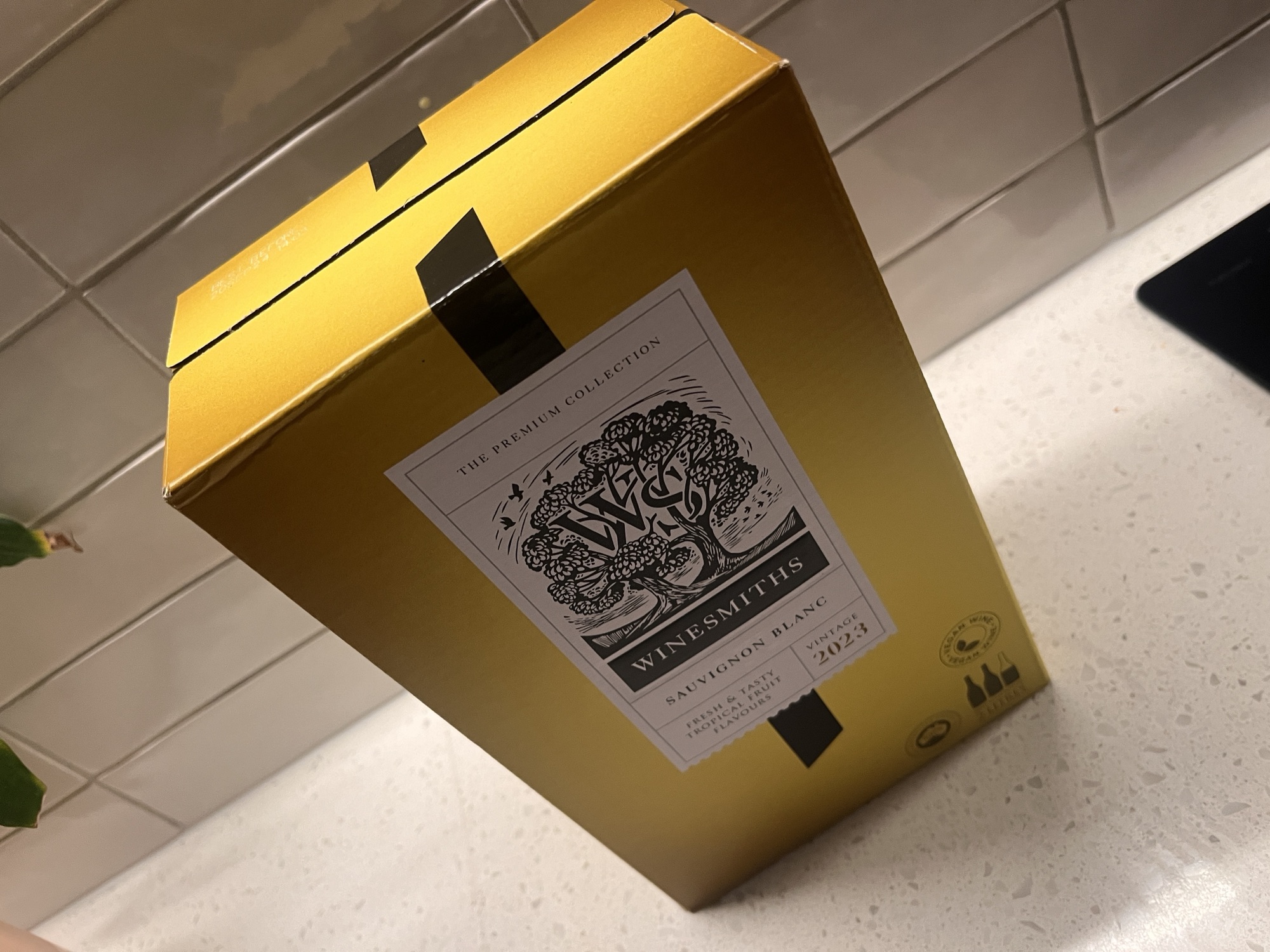
The preoccupation with glass bottles as the chosen wine vessel is tedious. Staid. In a world exploding with new cans, casks, and pouches (or even paper bottles), where we can do so much better (and with a smaller carbon footprint), the wine packaging mainstream feels so old-fashioned.
Sure, for wines that are made to be consumed sometime in the future, glass (and screwcap) is the most practical choice. However, for the bulk of drinks that are made to be drunk immediately, a 650g-1.2kg 750ml bottle is just an inconvenience (especially when you just want a few sips of wine).
Through my beer-industry tinted glasses, wine in single-serve tins seems like a logical choice (which I got excited about it back in 2018). The canning technology is sorted, the reliability is better than ever, and the acceptance in the non-wine industry is a given. But still, we persist with glass bottles… because ‘tradition’.
Actually, it’s more than just tradition. Non-glass wine has an image problem, seen as a “cheaper, low-quality option when compared to glass bottles, which come with a sense of heritage and luxury”, according to this Australian study.
Thankfully, the quality part of that equation is changing. Now, there’s an expanding ocean of cool non-bottle packaging out there featuring better juice, from the excellent A Glass Of pouches to the clever casks of Hey Tomorrow and Gonzo Vino or even the first release of Turkey Flat rosé in a can.
Even one of the original premium cask heroes is jumping on board with a move by the Hill-Smith Family to make casks even cooler…
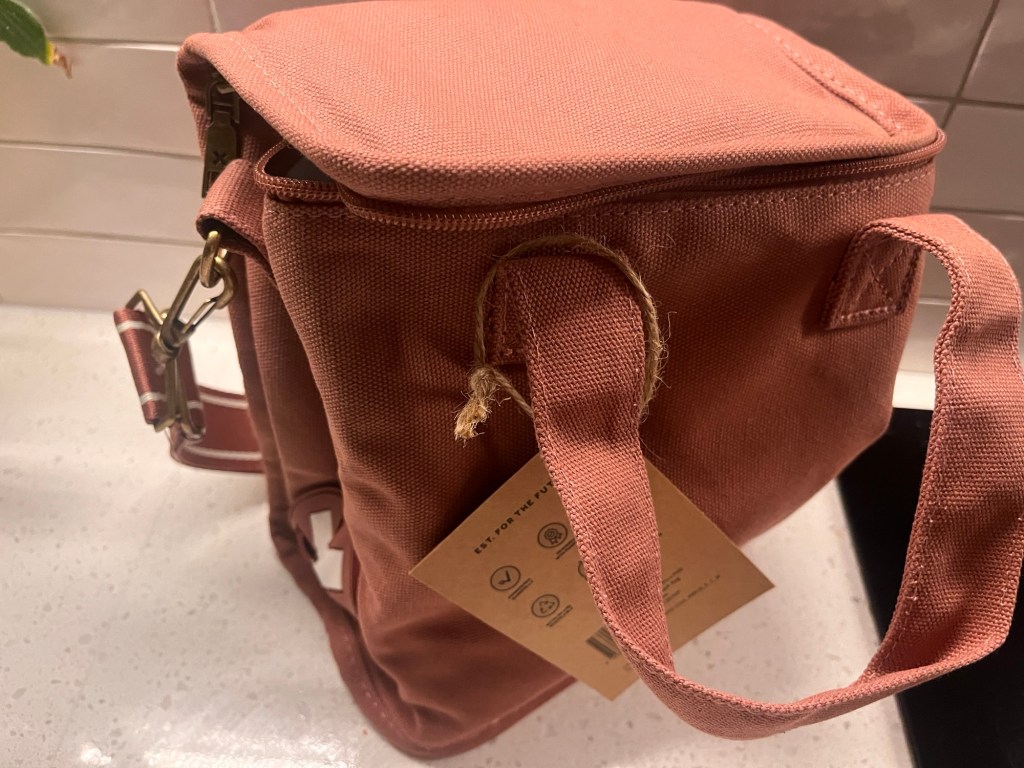
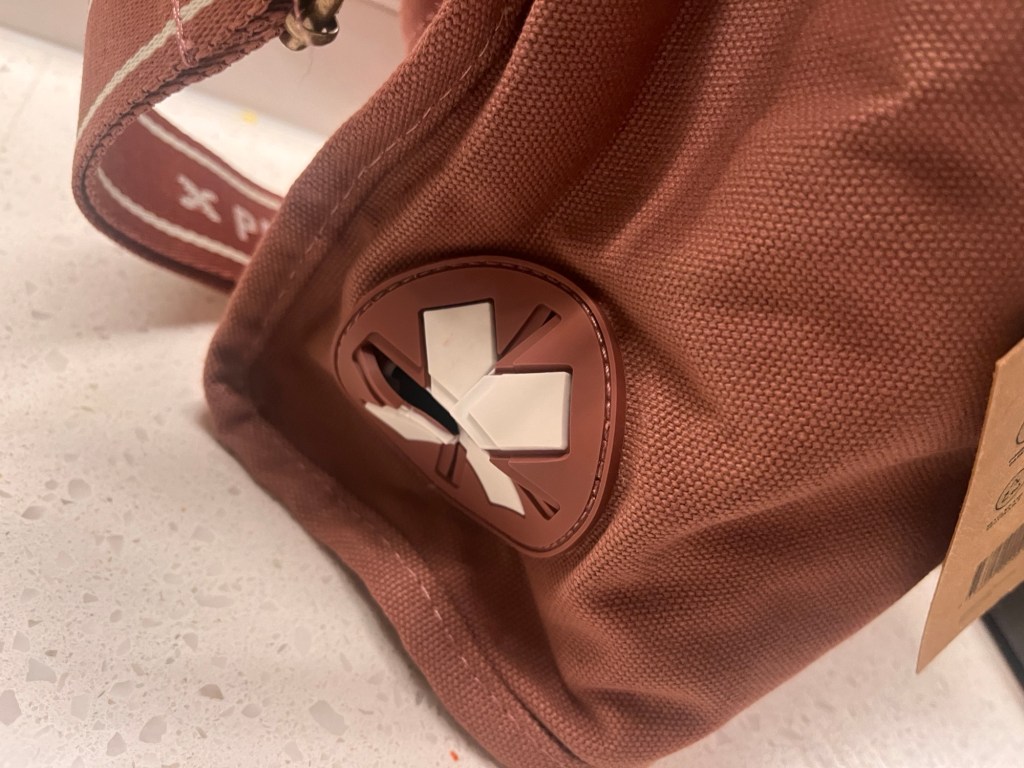
You can’t see from my crap photos, but under the Winesmiths brand, this is intended to make casks even more convenient (and fun). That brown bag is part of a collab range of Winesmiths x Pelli range of cooler bags, encouraging you to proudly take casks to parties rather than hide them like a dirty secret.
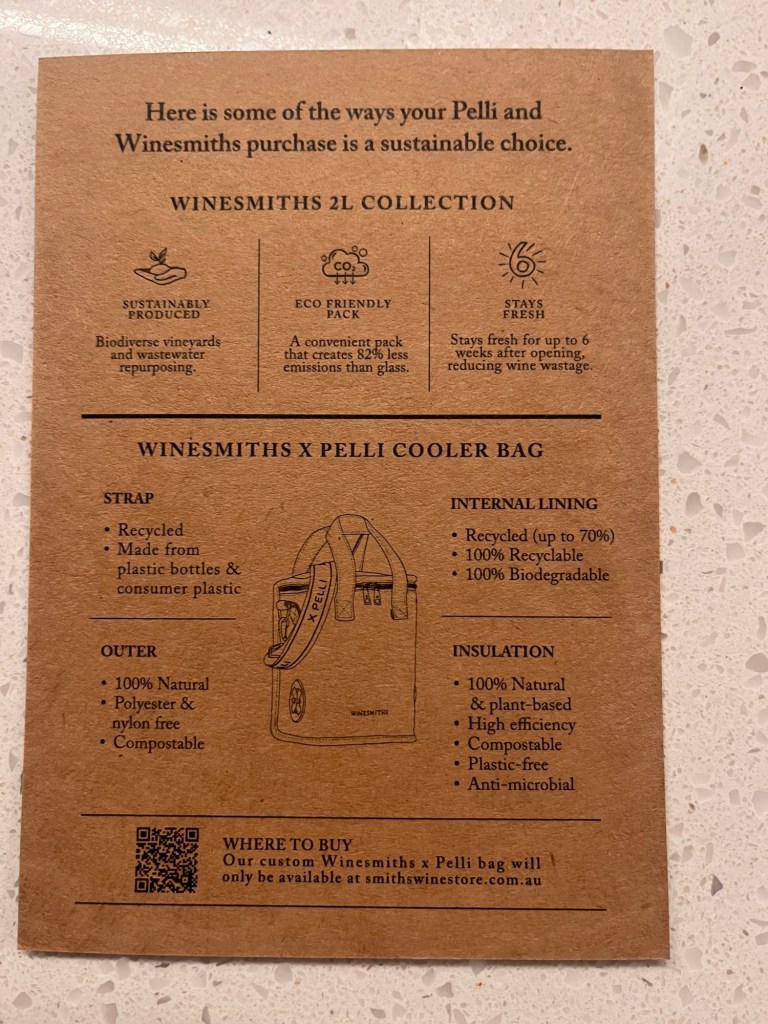
I like it. I like that this takes the uncool bag-in-a-box and turns it into a fashion accessory. I’m a middle-aged dad so I have no say on what’s fashionable, but these bags are contemporary enough for them to just be another large bag, just with a convenient hole in the side to poke the tap through.
What’s more, The latest lineup of Winesmiths casks are much more contemporary too, with an extended range of certified organic wines, and packaging that is more sustainable (with a box made from 75% recycled board).
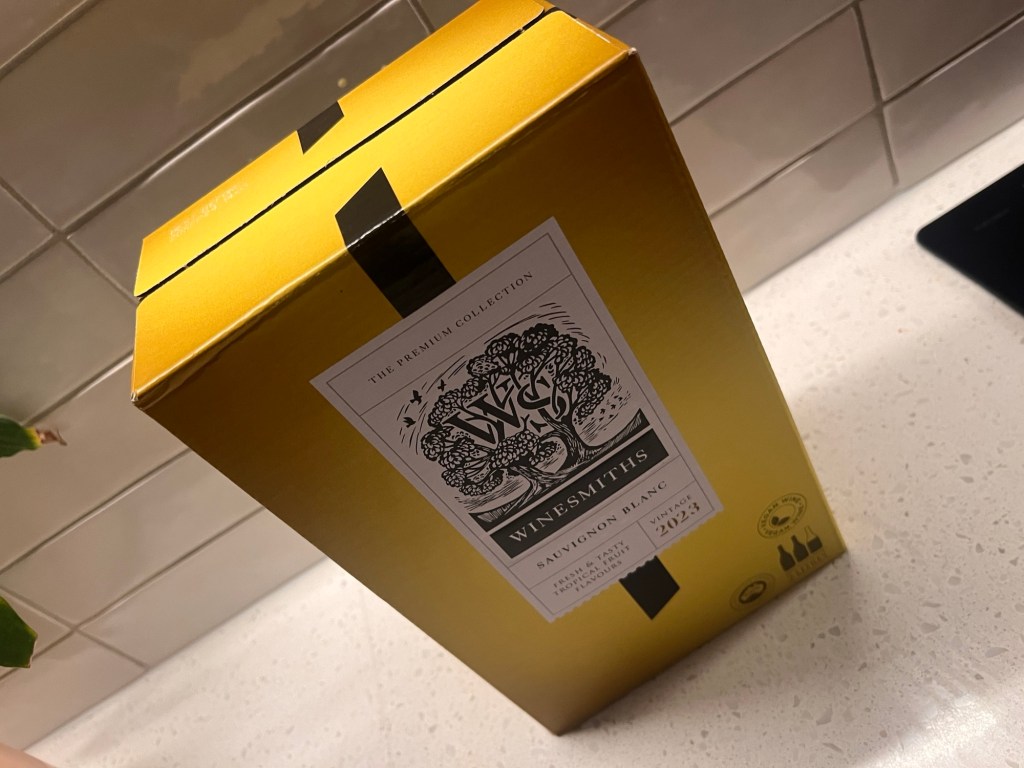
I won’t lie to you; we’re still in affordable cask wine territory here. On the Winesmiths website, the premium casks are still just $15.99 for two litres, which works out to be $6 a bottle – a price that is too low for anything beyond drinkability. And the two wines I tried – a 2023 Sauvignon Blanc & a 2022 ‘Dry Rosé’ – weren’t anything beyond what you’d expect in a $5-$10 bottled wine (the Sauv a bit green, the rosé a little better with its floral Muscat hints). But, and this is a big but, the convenience factor is still off the charts, even if I didn’t take my sweet Pelli bag to any party to test it out (because I’m old and don’t go to parties).
Maybe it’s reflective of my ‘750ml bottles are dumb’ crusade that I’m interested in this. Maybe I’ve just been spending too much time in the world of RTDs, where glass bottles were ditched over a decade ago. But whatever my motivation, I really want alternate wine packaging to be more of a thing, and if that means embracing cooler bags with tapholes or single-serve pouches to make it happen, then let’s do it.





Leave a Reply