
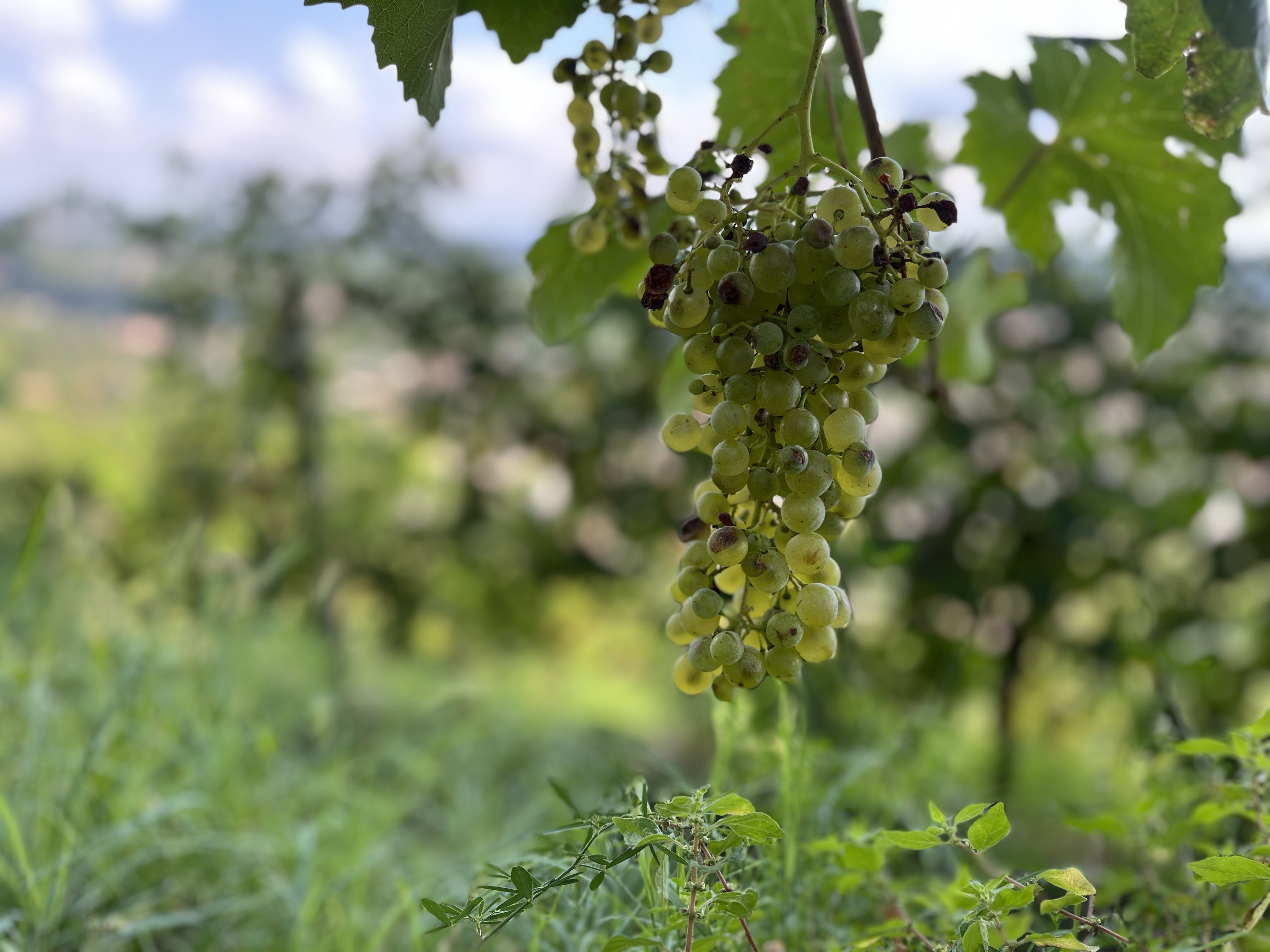
Just like that, I’m back home, and the lush green hillsides of last week’s trip to Conegliano Valdobbiadene Prosecco country are in the rear vision mirror.
As promised, I want to pick out some of the wines that made my week. The best drinks, from 6 days where I had Prosecco with every course of nearly every meal.
Oh yes, I feel like I can still taste the green apple of Glera/Prosecco grapes.
These 10 wine highlights from a week in Conegliano Valdobbiadene, however, proudly go beyond Prosecco (though noticeably short on local beers. Plenty of Menabrea, though).
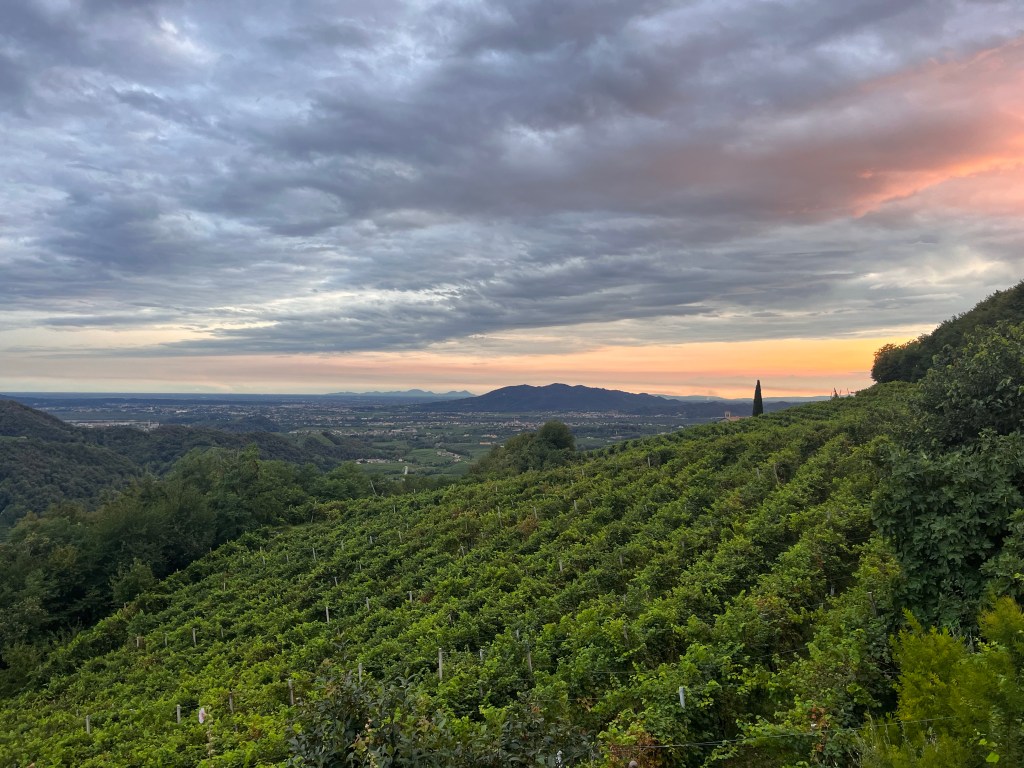
Before we start, let’s talk about the most discussed topic from a week in Prosecco country – sweetness.
Classically, Conegliano Valdobbiadene Prosecco has a little sugar to balance the acidity. And by a little, we’re talking 10-15g/L as a starting point. Indeed, the ‘Dry’ and ‘Extra Dry’ categories remain the most popular styles in Italy and specific markets around the world (like the US).
Yet the more wines you try, the more the sweetness conundrum becomes obvious. Why so much sugar? Why hide the innate purity of great Prosecco with typically clumsy added sweetness?

It’s even more bizarre when, for many Prosecco producers, the most premium wines (especially from the famed hill of Cartizze) are all sweeter. It’s like an inverted pyramid, where the finest and most detailed not-sweet wines are treated as inferior.
Heck, even the classification for dryness is a headfuck. How do you explain to consumers that the ‘Dry’ classification is the sweetest (and Extra Brut is the driest)? It’s a challenging system that tries to shoehorn classic Prosecco classification styles into an international sparkling paradigm.
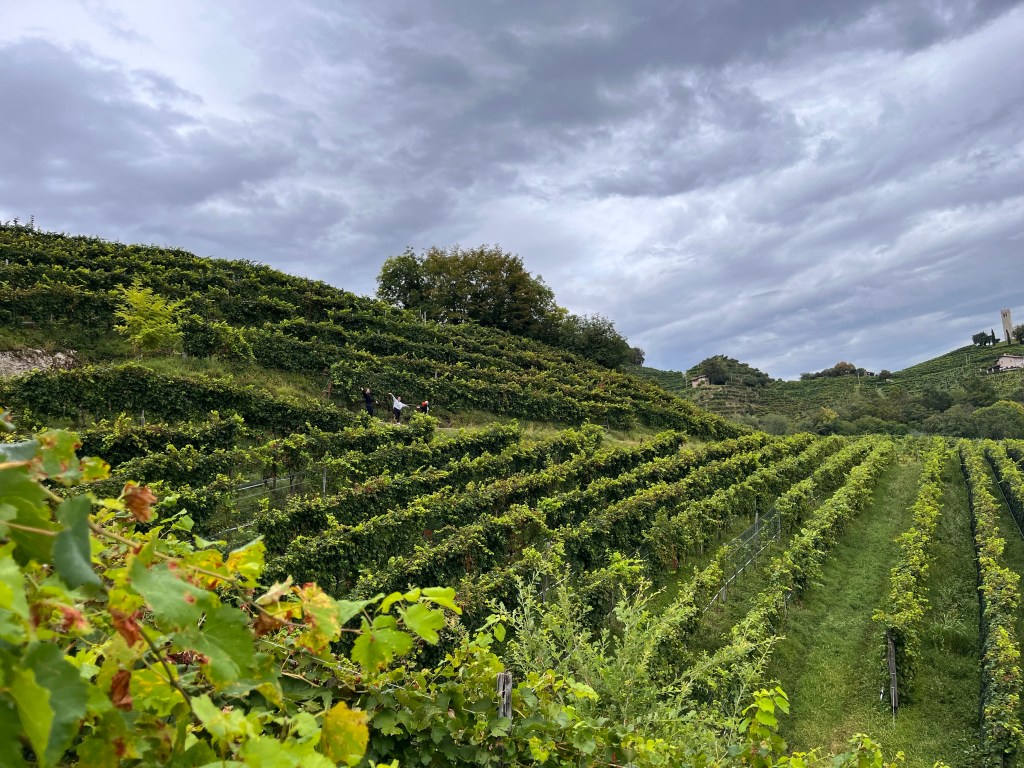
It’s even more bizarre when you realise that DOCG Prosecco isn’t strictly a high-acid grape. Even when picked early, the acidity isn’t sky high, with finished wines sitting at a typical pH of 3.2-3.3 and total acidity between 5.5-6.5g/L. For context, Champagne is typically closer to 3 pH and 9g/L.
For reference, these are the Prosecco levels of sweetness, expressed in grams/litre of measurable residual sugar.
Brut Nature – 0-3g/L
Extra Brut – 0-6g/L
Brut – 0-12g/L
Extra Dry – 12-17g/L
Dry – 17-32g/L
Clear as mud. Anyway, let’s get stuck in!
Mongarda Valdobbiadene Prosecco Superiore DOCG Extra Dry 2022
Mongarda Valdobbiadene Prosecco Superiore DOCG Brut 2022
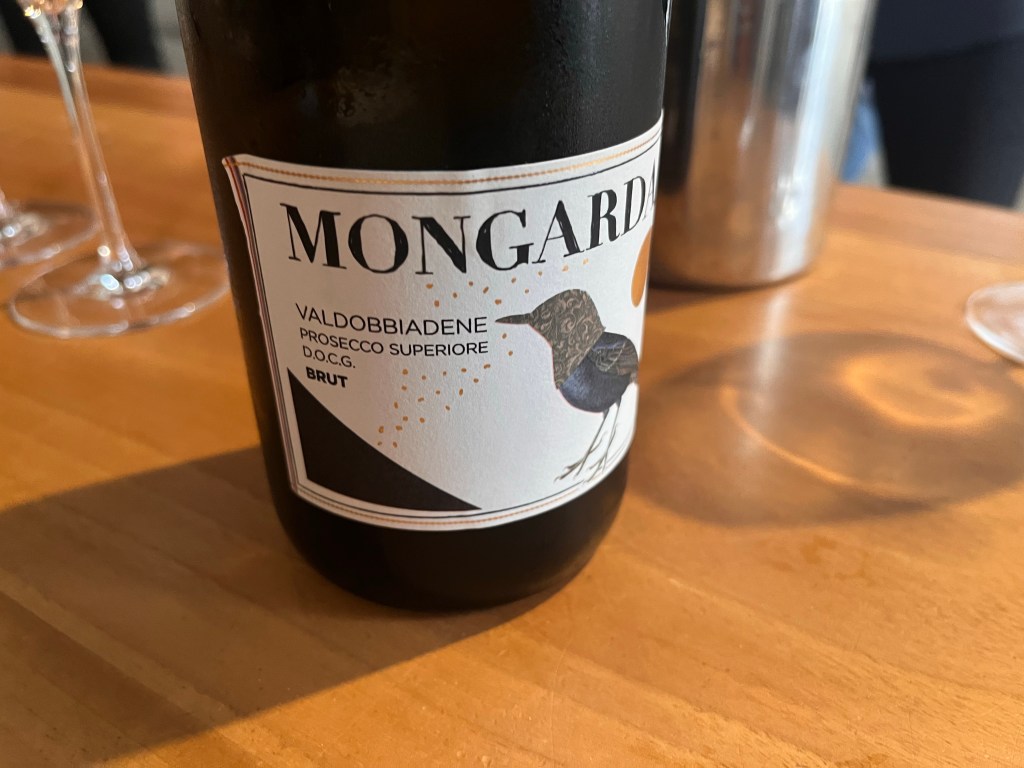
I’m going to count the whole Mongarda range as a highlight tbh, from the excellent Col Fondo right through to the wonderfully balanced Extra Dry, but let’s call this one listing in the Top 10, OK?
Importantly, Martino Tormena’s wines all show a level of detail that marks these among the best Prosecco around. But they also show a new generation approach, with wild ferments, vineyard meticulousness and lower dosages translating into excellence.

On the dosage point, the Mongarda Valdobbiadene Prosecco Superiore DOCG Extra Dry 2022 is one of Martino Tormena’s more generous wines, with a sugar level that would technically make it a Brut (it has 11g/L of dosage). He also has an excellent Brut (which sits at 6g/L) and an Extra Brut that is 3g/L (which could also be labelled as Brut Nature).
Sheesh. The sticking point for producers like Tormena is that his legacy Extra Dry is more popular, so you can’t change the style too much without alienating your customers. And yet, to my palate, his seriously classy Extra Brut is just a bit too firm, emphasising how variable the sweet spot (cough) is to determine.

Anyway, utilising slower, wild ferments and using juice from the first fermentation (when grapes are turned into base wines) to be added back in to kickstart the second ferment rather than just sugar makes a difference here. The balance is palpable, especially in the perfectly formed Extra Dry 2022, which shows the delicacy that comes from grapes on sheltered east-facing slopes plus a dollop of the high-acid Verdizo grape for balance. It’s a lovely wine (and available in Australia!).
Vini Meneguz Sara Conegliano Valdobbiadene Prosecco Superiore DOCG Brut 2022
So often during this week of Prosecco, I found myself drawn towards the Brut wines, with that 5-10 g/L sweetness level (also favoured by the Champenoise) so often delivering the goods.

Sara Meneguz’s excellent Brut is a great case in point. Drawn from the moraine soils of the ancient Piave glacier, this carries the green apple and white flower intensity that marks the Prosecco I found myself most drawn towards.
Indeed, it’s hard to separate the calcareous clay white marlstone soils from the floral fragrance of Meneguz’s wines. This has 8g/L of residual sugar and looks perfect, the nose of pristine green fruit, ‘acacia and wisteria’ according to Sara (which I like), and a lovely delicacy. If only it were available in Australia!
Bortolotti Rive di Col San Martino Castel de Dona Valdobbiadene Prosecco Superiore DOCG Extra Brut 2021
In a sea of 2022 wines, this was bound to stand out. But it’s an important wine in this context because this is a more widely available premium release made with some boundary-pushing (for the region) production.

Importantly, this spent four months on lees, which is a break from the traditional 45 days on lees. It’s a wine still made in the Charmat method, with the second ferment still happening in tank rather than the Champenoise style bottle ferments, so the pressure is still lower (and it still tastes like Prosecco).
Many producers are experimenting with extended lees ageing in the DOCG area, with varied success. This Bortolotti is one of the better wines (and reasonably affordable), with an excellent combination of intense green apple definition and a classic appley tang. The lees don’t make a noticeable imprint, yet there is a little more palate complexity. I liked it, and the zero dosage didn’t make it sharp.
It is not just Charmat lees ageing either that is being explored. For certain producers, the quest to make an ageworthy, bottle-fermented ‘metodo classico’ style vintage bottling is a preoccupation, with a whole tier of super premium releases that are meant to offer this Champagne-esque quality tier. I didn’t love many of them, with the lees ageing, higher pressure and different mouthfeel ultimately obscuring what makes Prosecco great – i.e., a rather unadulterated, terroir-driven (especially in the less sweet wines) sparkling where you can really taste the soil and steep slopes.
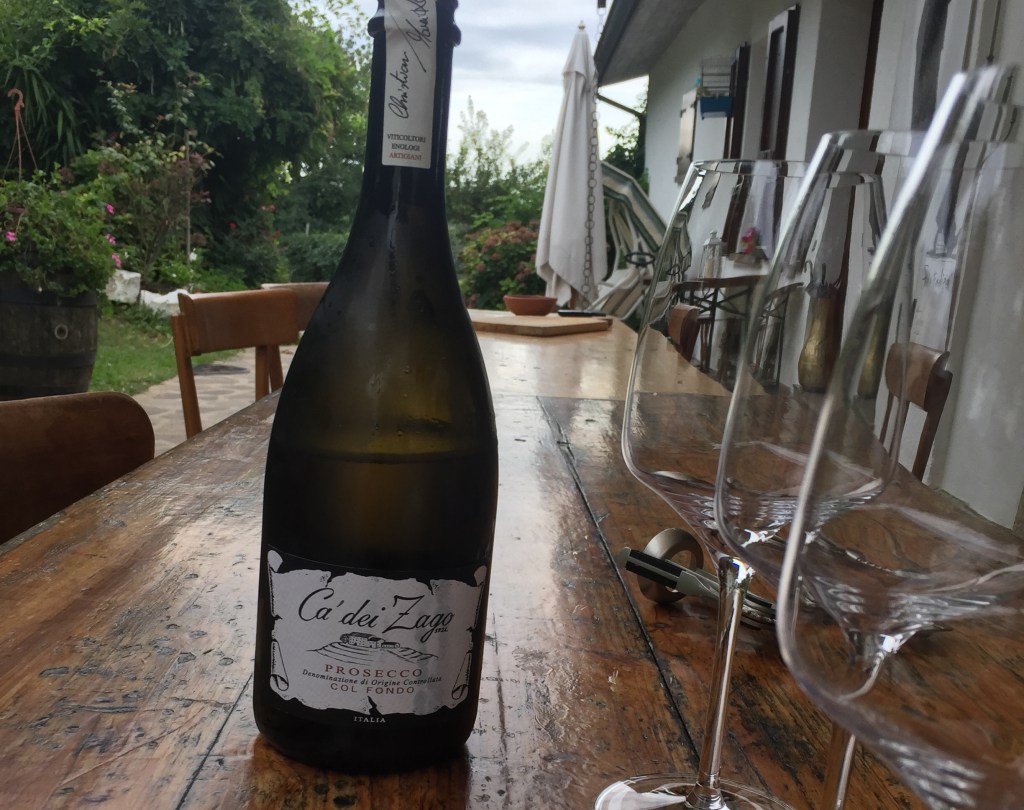
Why try and make Champagne when the best DOCG Prosecco is so unique? Indeed, if you want more flavour, buy a col fondo (the ancient, local pet nat) from someone like Christian Zago’s Ca’ dei Zago label.
Anyway, this Bortolotti is a good drink. Perhaps not the most profound wine in this Top 10, but definitely interesting.
L’Antico Quercia Matiu Rive di Scomigo Conegliano Valdobbiadene Prosecco Superiore DOCG Brut 2022
While everything at L’Antico Quercia was impressive – including a rare, drinkable still red called ‘Bruscade’ based on Merlot, Cab Sauv & the local favourite Marzemino – this Brut was my pick of the range.
Sadly, as I mentioned last week, it will be increasingly hard to find L’Antico Quercia wines for the near future as the 2023 harvest is 90% down, which is frustrating as the Matiu is a typically widely available, quality example. L’Antico Quercia’s certified organic (since 2007) vineyard has a more exposed aspect that can deliver more robust, mouthfilling wines – perfect for something weighing at just 5.5g/L dosage.
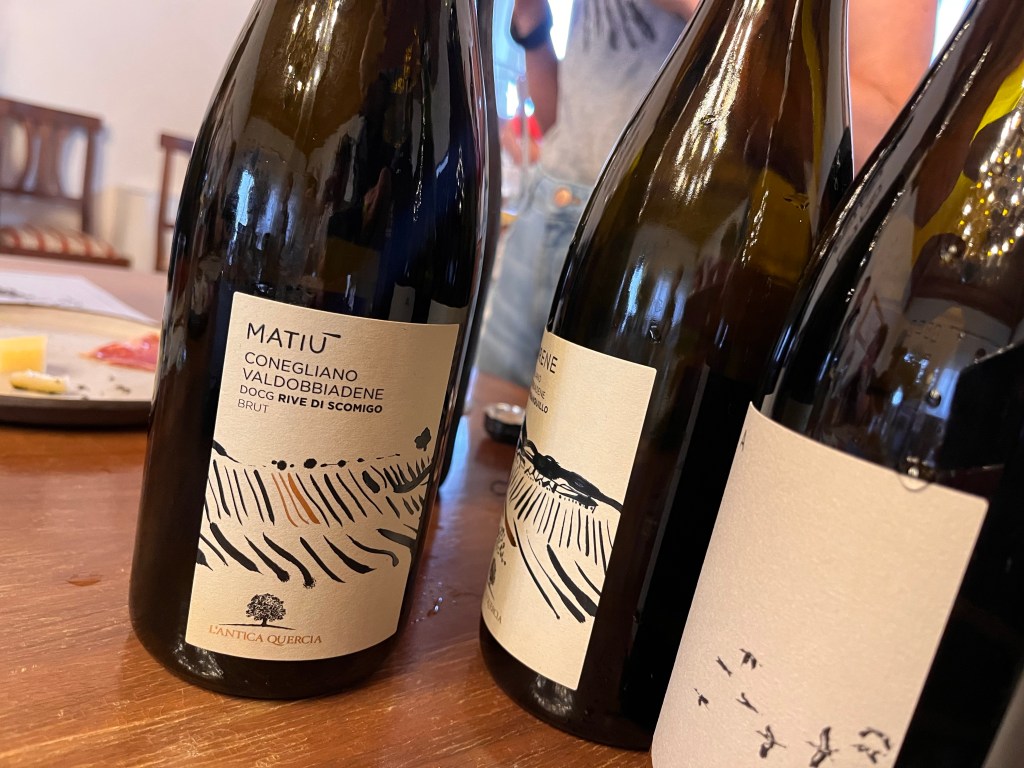
There’s more pear here, more width and power than some of the more severe green-apple-and-acid styles on the steepest rive.
L’Antica Quercia also has an excellent extended lees aged wine called A (aka L’Antico Quercia A Ancestrale Sui Lieviti Brut Nature 2021) that sees a wonderful pithy crunch of seriously tangy green apple acidity that contrasts nicely with the whisper of leesy brioche. 2021 was a super vintage around Conegliano, too.
Again, I prefer the more transparent, youthful wine, though. Maybe I’m a purist, but I typically want to drink these wonderfully fresh wines when they’re young, as even some of the 2021 wines were starting to look tired. Drink it like an aromatic white.
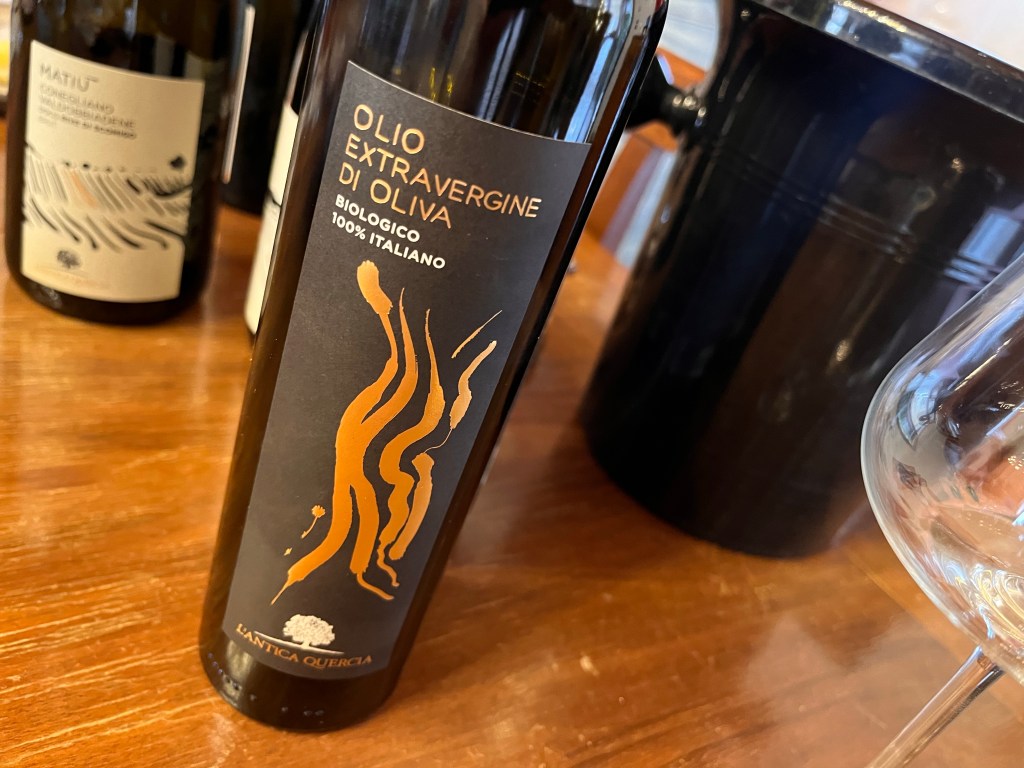
Finally, L’Antica Quercia also produces a superb organic olive oil that I will forever kick myself for not buying.
Valdella Refrontolo Passito DOCG Colli Di Conegliano 2021
Speaking of more things I should have bought; the best local red was also based on Marzemino, except it wasn’t another severe dry red. Instead, it was a juicy, vibrant, passito wine made from vines around the town of Refrontolo.
This sweet red is one of Conegliano’s most historic styles, with a history that is just as long as the local Prosecco (apparently Mozart was quite a fan, calling a Refrontolo Passito ‘excellent Marzemino’ in his opera ‘Don Giovanni’). For this Valdella, Marzemino grapes are picked and then dried before fermentation, concentrating the flavours Amarone style, before maturation in barrel for a year.
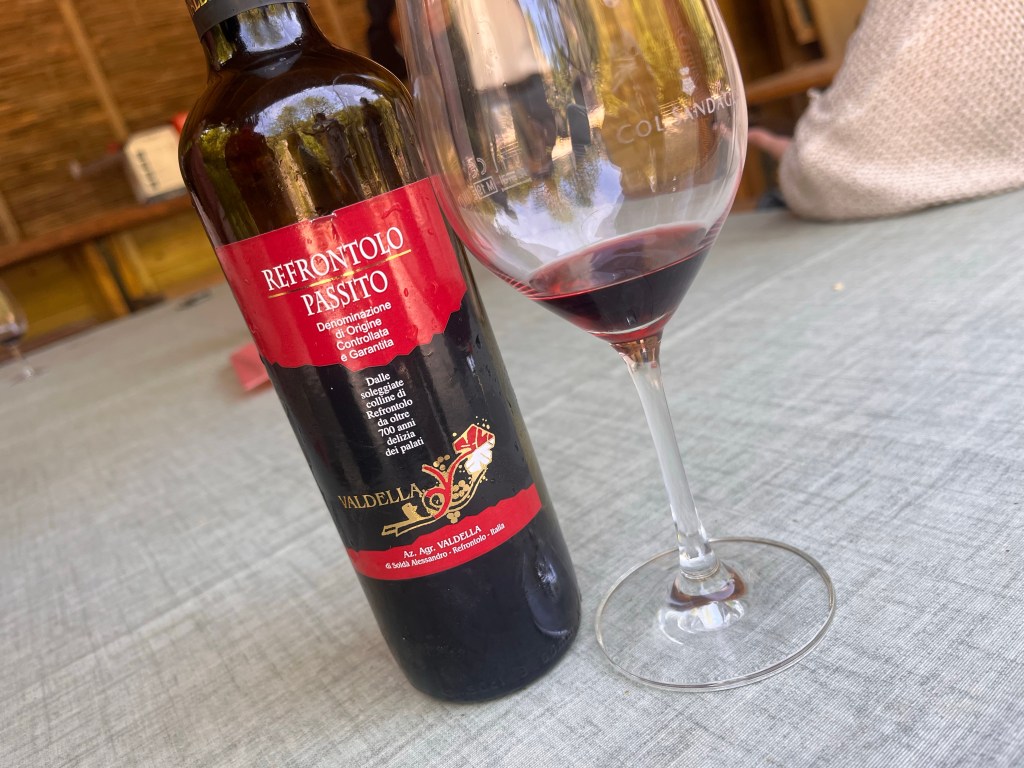
Crucially, the blend is only 50% dried grapes, with the other fresh half giving this fabulous red berry chocolate vibrancy. At 16% alcohol, it threatens to be more like vintage port, yet the grapes aren’t picked shrivelled, so it still has acidity and vitality.
Our host poured this alongside some local biscotti, and straight away, I knew that this was the dessert wine we’d been craving (and something up to match with a tiramisu)
La Rondine Rund’or Anniversary Valdobbiadene Prosecco Superiore DOCG Extra Brut 2022
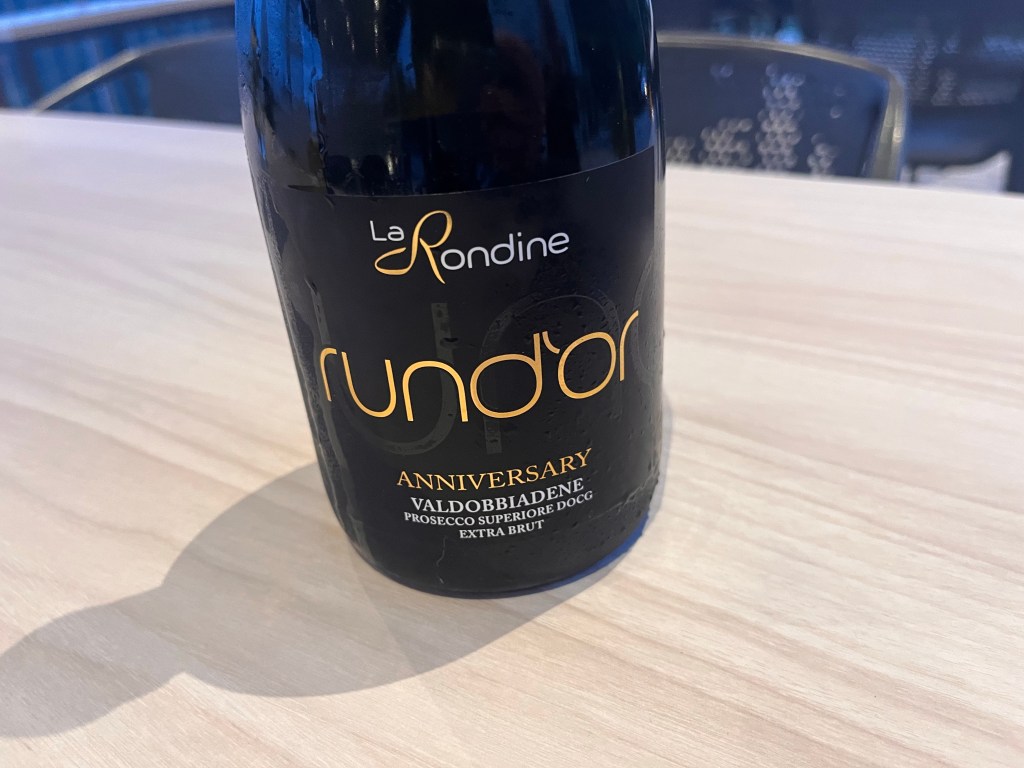
One of the most classic tiramisu experiences of the trip came at the Agriturismo La Rondine. Here, the Zanin family runs the agriturismo and makes a little Prosecco from the steep hills around Santo Stefano. It was purely because we had dinner at the restaurant, however, that this crystalline Rund’or zero dosage Prosecco even popped up into the week.
Effectively a Brut Nature, this La Rondine is a bony, perfectly defined and ultra-crisp Prosecco of outstanding purity. You can taste the freshness of the Glera/Prosecco grapes hanging on the side of a terraced slope, transmitted straight into bottle. It’s not for everyone – man, the acidity is tangy – but I found this less gangly than some zero-dosage wines. A sushi wine, if ever there was one.
Col Vetoraz Valdobbiadene Prosecco Superiore DOCG Brut 2022
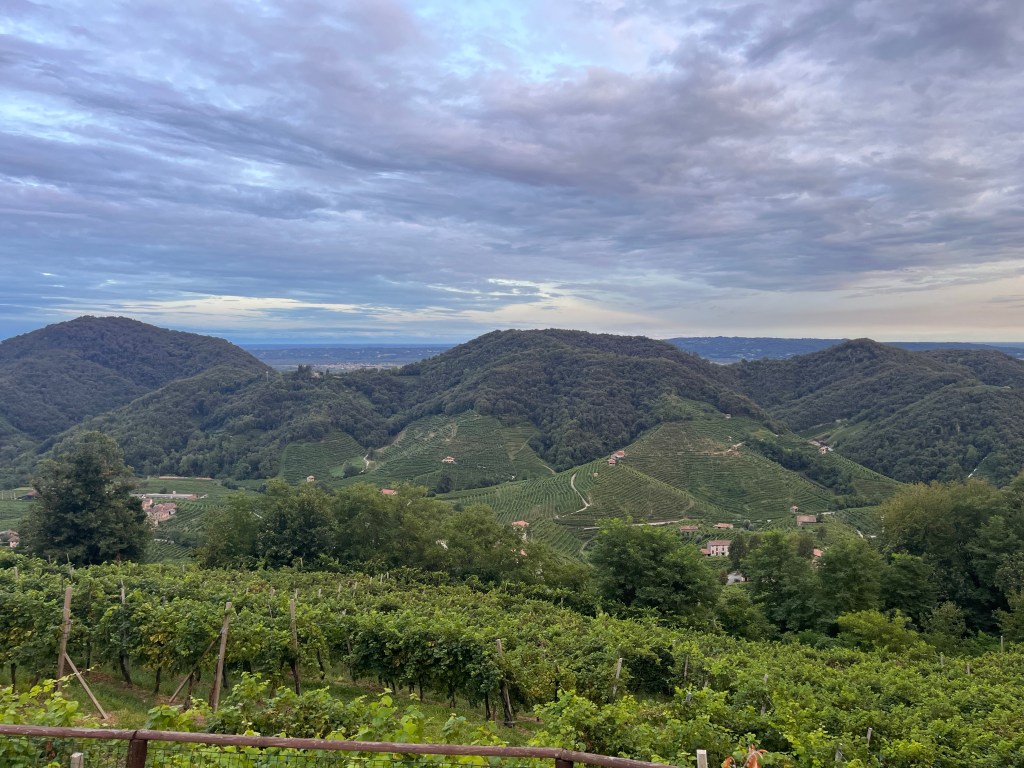
During the week in Prosecco country, we were constantly promised a visit to the hallowed hill of Cartizze. A promise to see what all the fuss was about in person. Yet it never quite happened. Cartizze was like a mirage – a hillside off in the distance. ‘There’s Cartizze, over there’ as the whole bus cranes their necks to see something that we start to believe is Shangri-la.
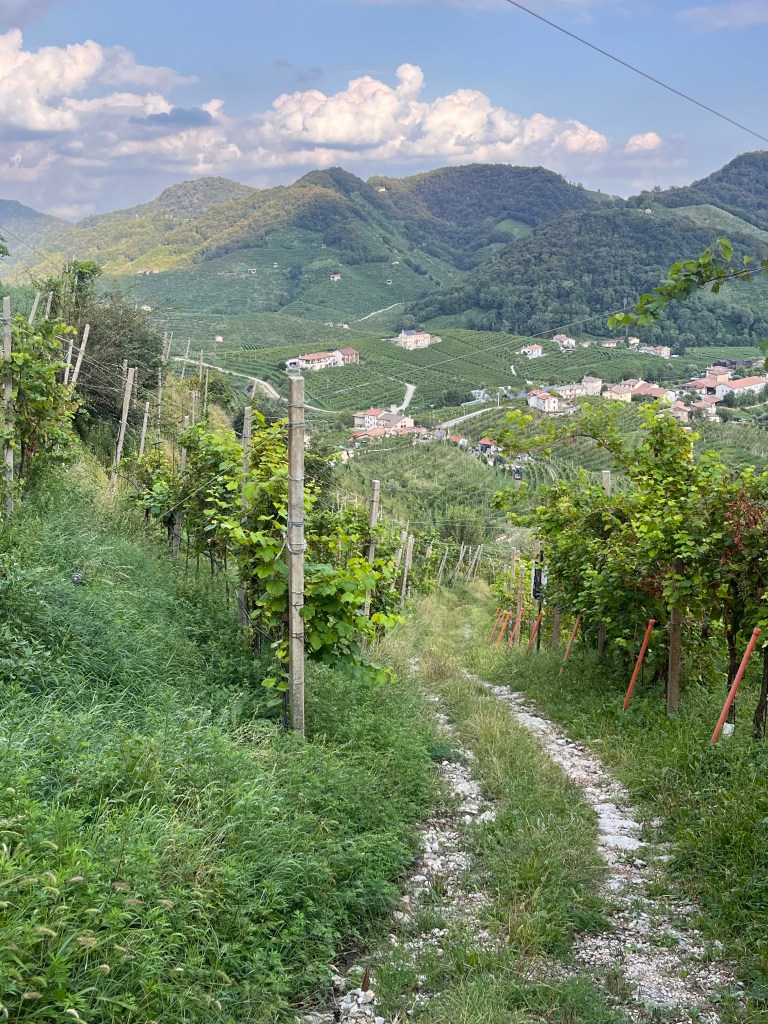
Finally, on our last full day, we arrived at Col Vetoraz. And suddenly, it was real, as this celebrated producer’s main cellar door (or the Italian version) sits just within the borders of the Cartizze area. And there, bathed in sunshine, stood the not-so-mythical (and not all steep. Lots of rolling hills rather than dramatic slopes) Cartizze cru.
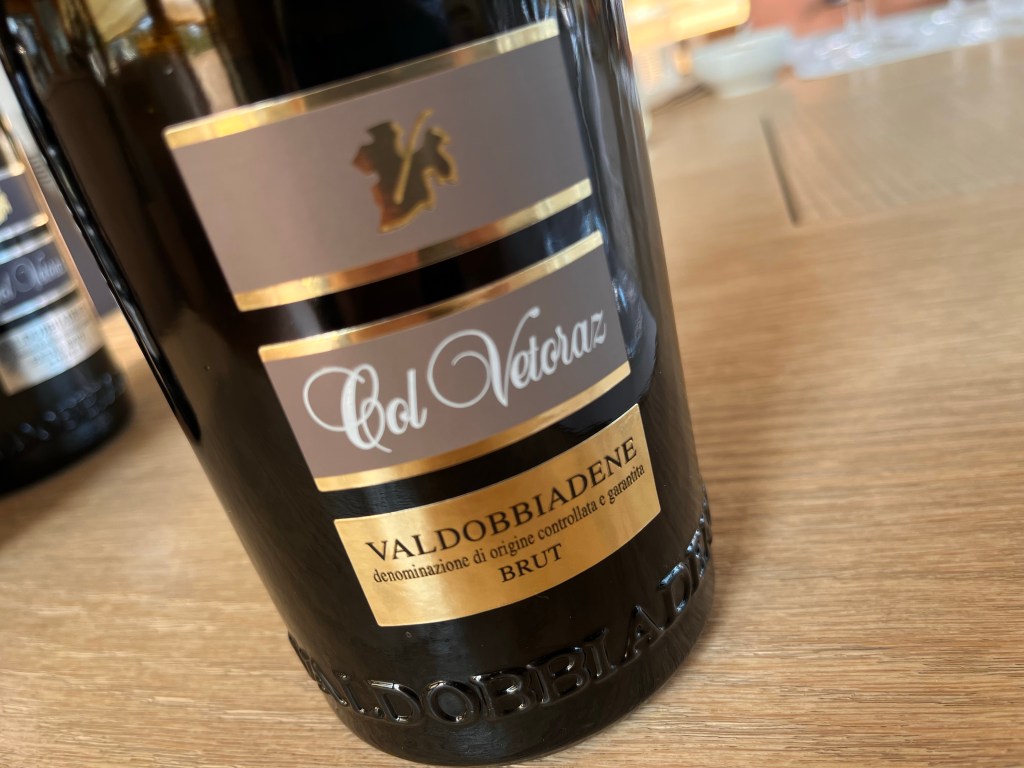
Col Vetoraz naturally has a Cartizze wine, but the range spans the whole gamut of Prosecco styles, with a particular focus on low-dosage Extra Brut styles. Intriguingly, I found the most balanced wine wasn’t the ultra-crisp driest styles, however, as they tended towards angularity. Wines you could admire, but they’re also a bit of a challenge. However, this Brut was right in the zone, with its 8g/L sweet spot making for a complete wine with a certain juiciness. Trademark green apple, that white flower (acacia) florals and then a generous, yet not flabby palate. Col Vetoraz is available in Australia, too!
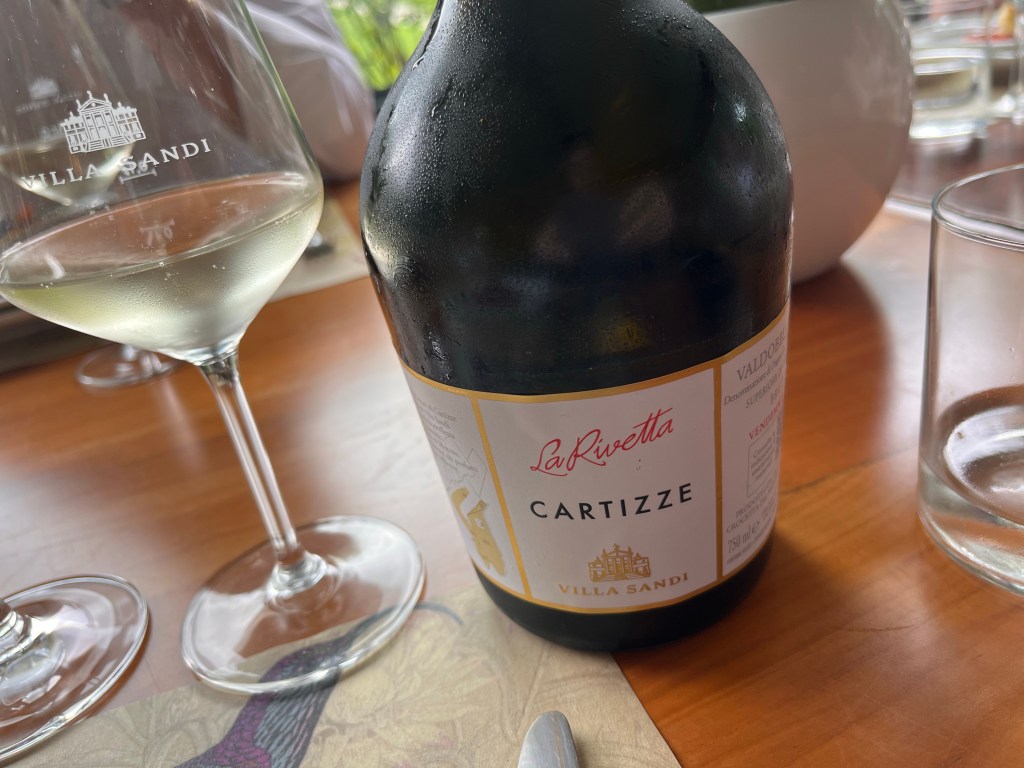
Villa Sandi La Rivetta Cartizze Valdobbiadene Prosecco Superiore DOCG Brut 2022

As I touched on during this Prosecco DOCG masterclass last year, Cartizze remains more than just a quasi-mythical place – it’s also a fascinating enigma in the Conegliano Valdobbiadene story. On the one hand, the terroir here is unrivalled – just over 100ha of the best ripening slopes in the region that are tailor-made for the most grandiose wines. Yet stylistically, almost every wine from what is effectively the DOCG Grand Cru (with its own unique denomination) is made in a Dry mode. These sweeter styled Prosecco are consumed with dessert, the celebratory drink of choice at Christmas time with a panettone.
Except they don’t work with panettone. Or even more decadent desserts (which I know because we seemed to only ever try Cartizze at dessert time). Sure, the sweetness is higher – 25g/L is the norm – but the acidity remains. So you get a wine that has acid-driven power yet also definition-robbing sweetness?!
Cartizze remained the week’s frustration, although given how easily these wines sell (and the low volumes produced), there is little impetus to fiddle with it. Heck, Cartizze vineyards sell for millions of euros per hectare, rivalling Grand Cru Champagne vineyard pricing, so who will mess with a formula?
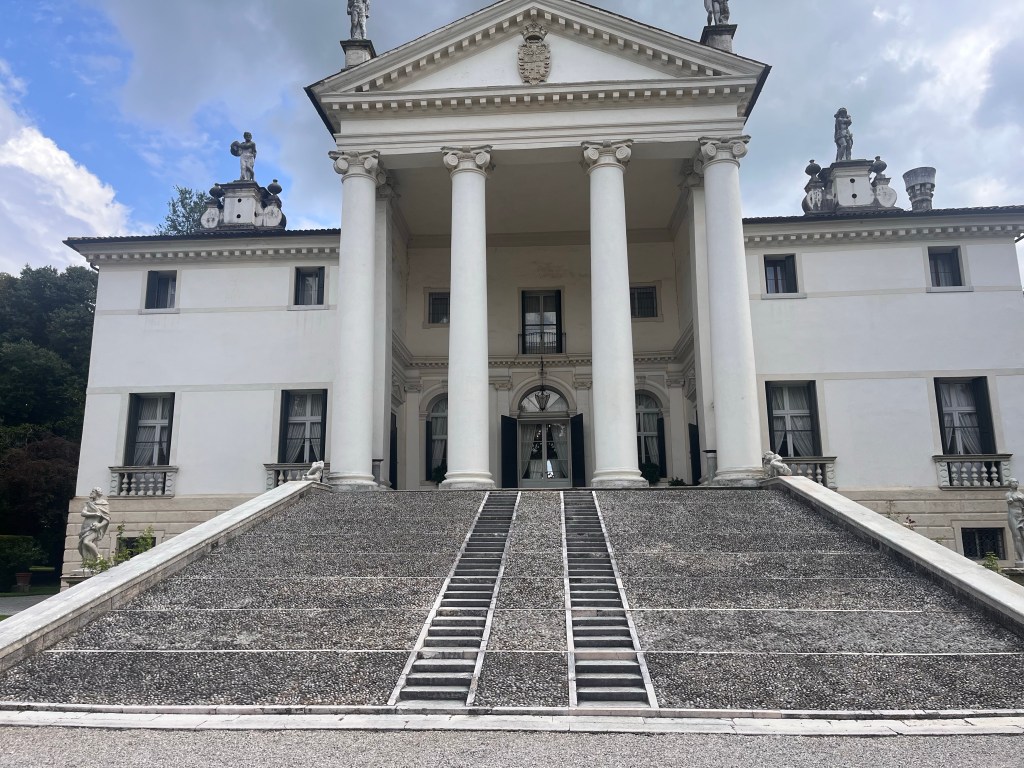
Except Villa Sandi are successfully doing it with this Cartizze Brut. Villa Sandi is one of the most prominent players in the DOCG (and the adjoining Asolo DOCG that also makes Prosecco, FWIW), with a suite of wines available in Australia. There really is a Villa, too (more chateau than villa) that dates back to the 1660s, complete with stunning columns, a vintage motorbike collection, and 1.5 km of underground tunnels.

It’s a big business and not just confined to Prosecco (there is a Villa Sandi bar in the Venice airport).
The Villa Sandi Cartizze Brut shows what can be achieved. There’s this pristine green apple vitality and yet this throatiness, too. It is a best-of-both-worlds wine with high-toned apple herbs but also pear and stonefruit in a ripe rather than bony mode. It’s a winner, though, with just 15,000 bottles produced, it’s drop in the ocean stuff.
La Tordera Cartizze Valdobbiadene Prosecco Superiore DOCG Dry 2022
One of my Cartizze picks from last year, and now back in 2022 form. Importantly, this sits at the less-sweet end of the ‘Dry’ spectrum as well (just 18g/L residual sugar), and there is a more careful balance between pear and peach fruit and that underlying acidity underneath.
The other defining factor here is the old vines, with the plot dating back to 1918. Combine that with less sweetness, and bam, you finally get more definition.
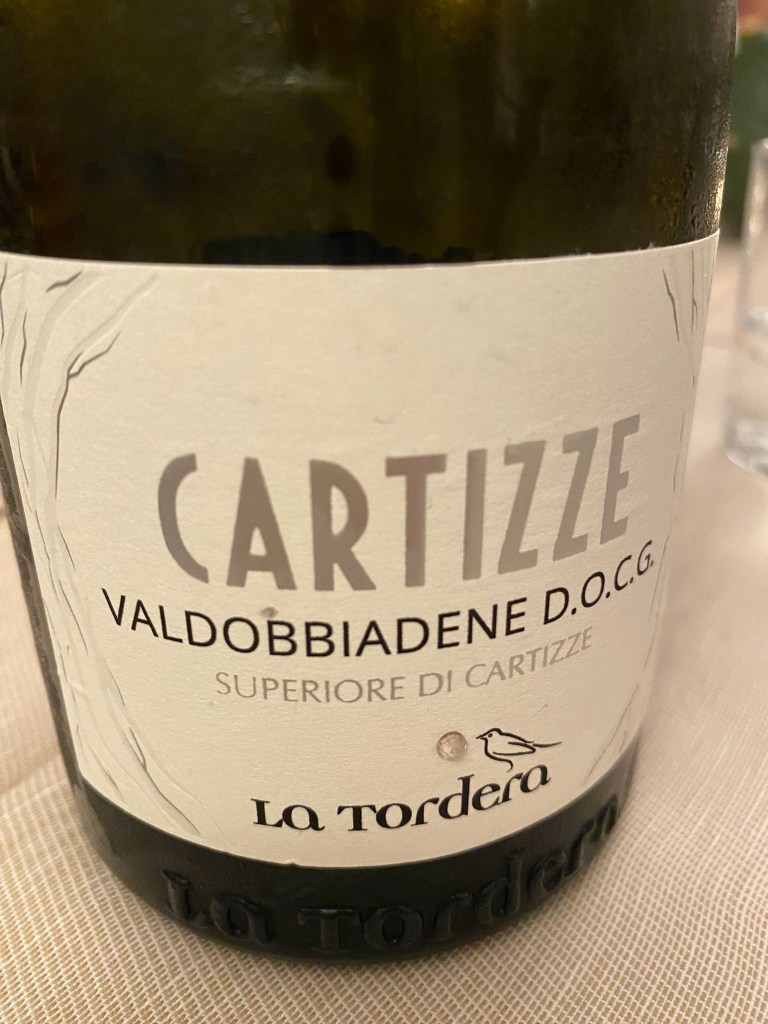
This Tordera was a welcome full stop, as it was served as one of the final wines on our last night at a restaurant called Da Gigetto. After a week of fine dining, we just assumed another classic restaurant – but Da Gigetto had a little surprise…
Droin Chablis Premier Cru Montée de Tonnerre 2020
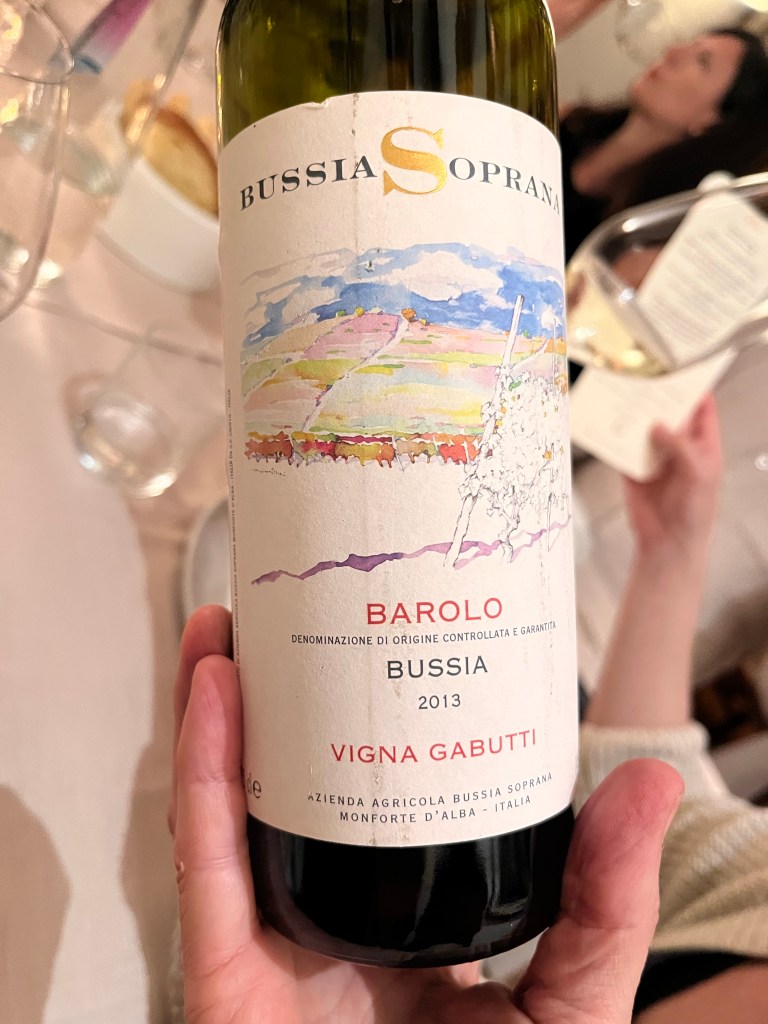
Bussia Soprana Vigna Gabutti Barolo DOCG 2013
Maeli Diloro Fior d’Arancio Passito Colli Euganei DOCG 2016
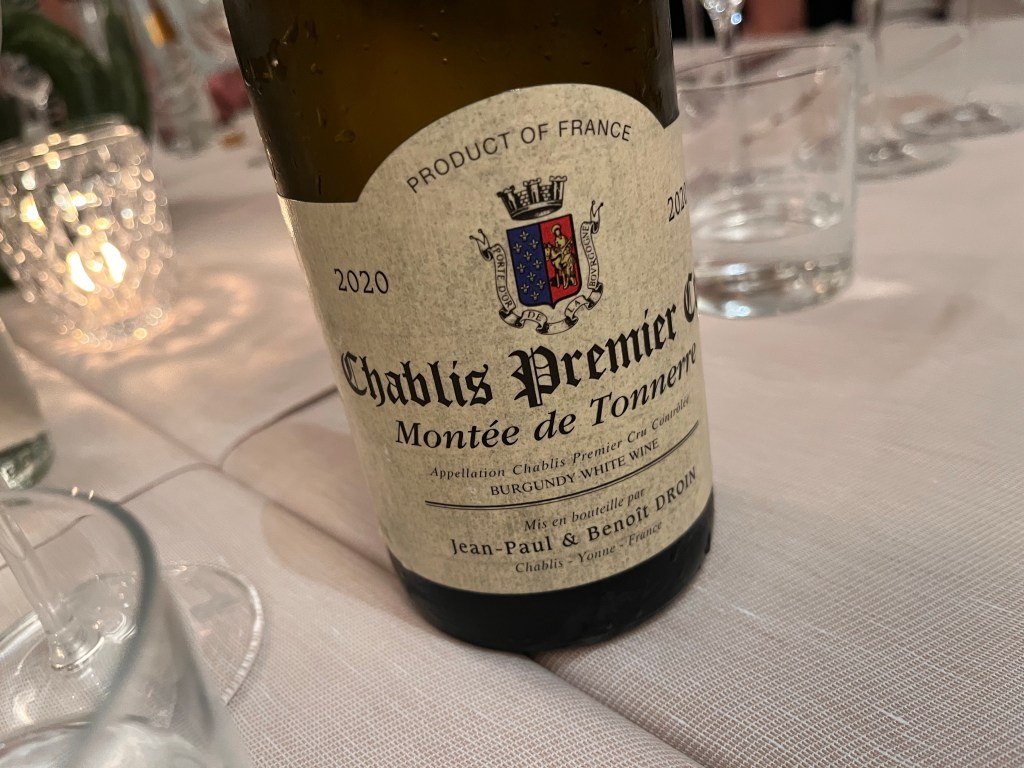
I’m cheating again, putting three wines in one slot. None of these wines come from Conegliano Valdobbiadene, either. Instead, this is the surprise that Da Gigetto was holding – an imperious, 36,000-bottle wine cellar that showcases a drool-worthy collection of not just grand local vino but world benchmarks. Think everything from ancient Madeira, old Barolo and 90s Petaluma reds to a bewildering assortment of rare whisky.
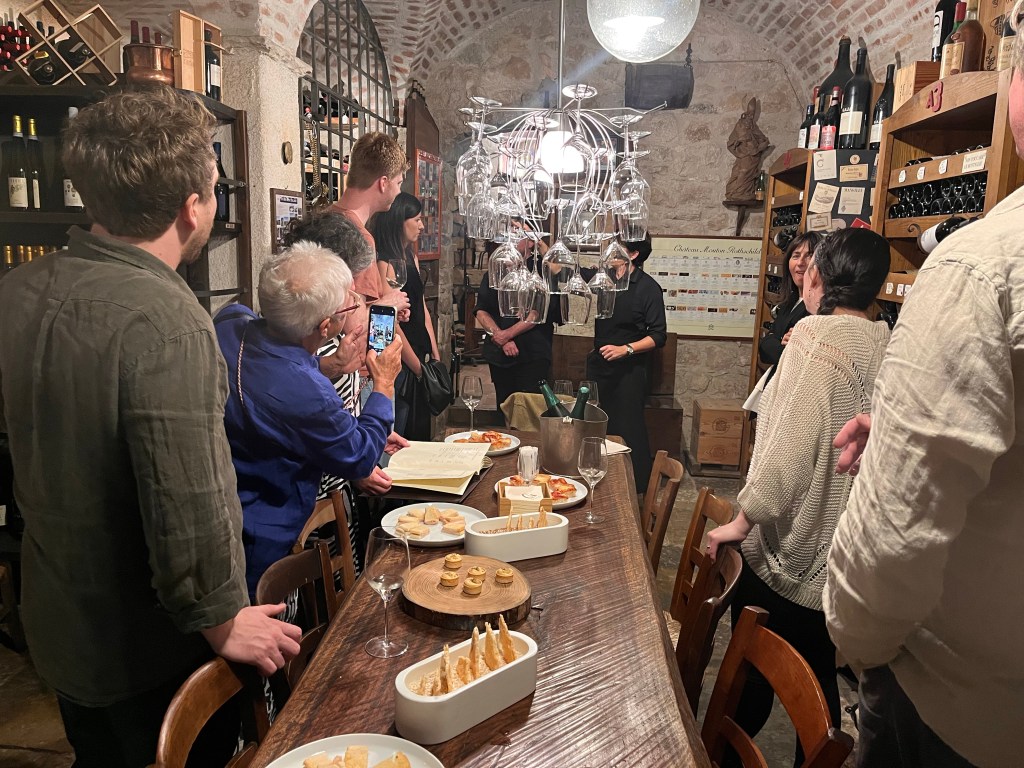
Naturally, our Prosecco-drenched pack of Australian wine writers, retailers and sommeliers lost our minds in the depths of the Da Gigetto cellar.
While we were collectively keen to blow budgets on beauties from Bolgheri, the cool-headed staff helped with some choice recommendations that paid off – especially the wonderfully classic Bussia Soprana. Here, the archetypal tar and roses Nebbiolo perfume and a certain 2013 caramelled warmth (without obvious small oak) all added up to sheer Barolo pleasure.
After a week of so much Prosecco, these international table wines felt so different – although I was a little underwhelmed by the Droin. I love Droin’s standard AC Chablis and was pumped to try their 2020 Montee. Yet it was a surprisingly forward thing, all peaches and stonefruit, with a sunniness and a rich palate that felt anti-climactic. Mark that down as another forward 2020 Chablis, even if it was flavour-packed.

There was no disappointment with the Maeli Diloro, though. Crafted from the old volcanic hills just outside Padua, this golden sweet wine carries this beautiful yellow peach sunshine radiance that is a delight. Crafted from the local Muscat, Fior d’Arancio, it’s akin to a late-picked Friulian Moscato Giallo, except with more yellow fruits.
Mark that down as another wine I should have brought home…
Finally, I also made another top ten during the week, which centres around food. You’ll like some of these dishes:
A note: I travelled as a guest of the Conegliano Valdobbiadene Prosecco Consorzio. They didn’t push me to write nice things or list these 10 wine highlights from a week in Conegliano Valdobbiadene. I’d go back in a heartbeat, too.
- Best drinking:
- Score (out of 20):
- Score (out of 100):
- Alcohol %:
- RRP (in $AUD):
- Winery website:
- Would I buy it?:

Leave a Reply